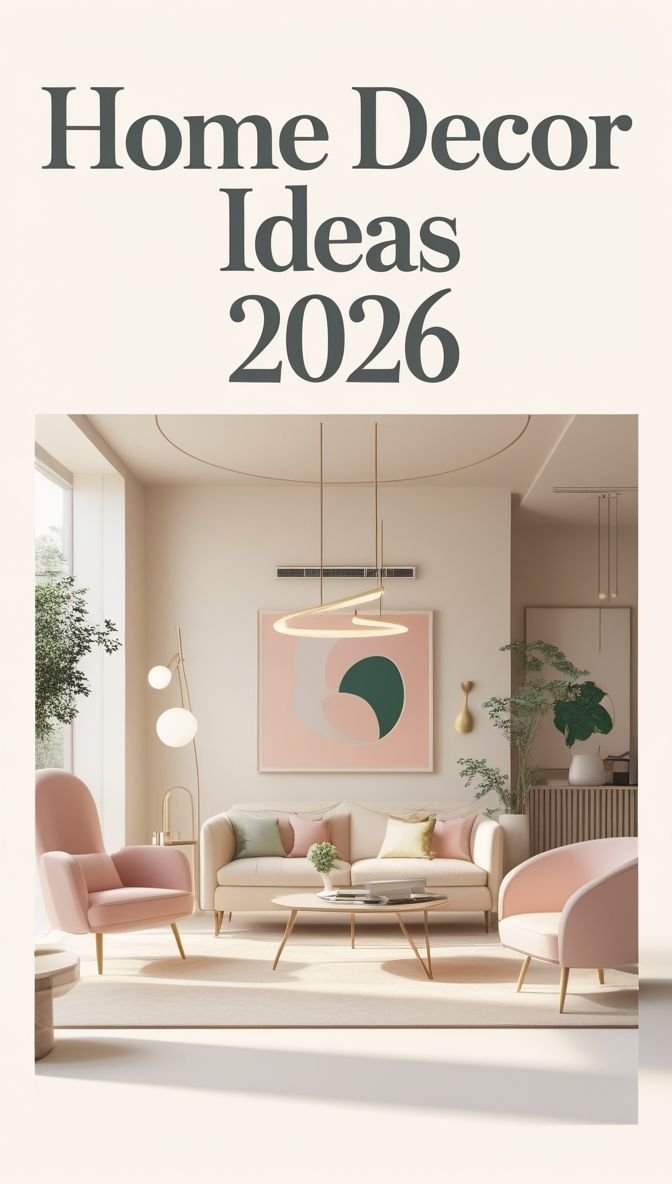
Home Decor Mistakes That Make Your House Look Cheap
Creating a beautiful and stylish home does not necessarily require a large budget. However, certain decorating mistakes can make even expensive furniture and accessories appear cheap and uninviting. The difference between a polished, high-end interior and a space that feels outdated or poorly designed often comes down to the details.
Many homeowners unknowingly make decor choices that diminish the overall appearance of their living spaces. From overcrowded rooms to poor lighting and mismatched furnishings, these mistakes can negatively impact both aesthetics and comfort. Fortunately, most of these issues are easy to identify and correct.
This comprehensive guide explores the most common home decor mistakes that make your house look cheap and provides practical solutions for creating a more elegant, sophisticated, and visually appealing home.
Ignoring Proper Lighting
Why Lighting Matters
Lighting is one of the most important elements of interior design. Poor lighting can make even the most beautifully decorated room feel dull, cramped, and unwelcoming.
Common lighting mistakes include:
- Relying on a single ceiling fixture
- Using harsh white bulbs
- Insufficient task lighting
- Dark corners with no illumination
How to Fix It
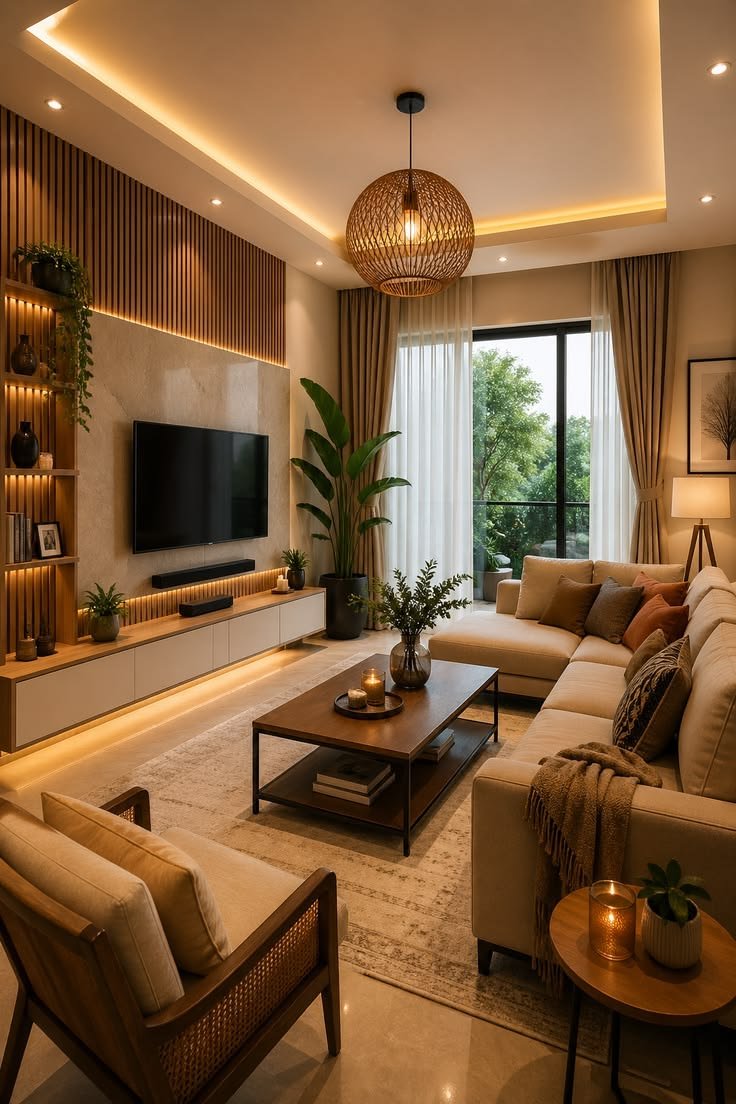
Create layered lighting by combining:
- Ceiling fixtures
- Floor lamps
- Table lamps
- Wall sconces
- Accent lighting
Warm, balanced lighting instantly creates a more luxurious atmosphere.
Choosing Furniture That Is Too Small
The Problem with Undersized Furniture
Many people purchase furniture that is too small for their room because they fear making the space feel crowded.
Unfortunately, furniture that is disproportionately small often makes rooms appear awkward and incomplete.
Examples include:
- Tiny sofas in large living rooms
- Small coffee tables
- Undersized rugs
- Narrow dining tables
The Better Approach
Choose furniture that properly fits the scale of the room. Well-proportioned furnishings create a balanced and professionally designed appearance.
Using Tiny Area Rugs
A Common Decorating Error
One of the most noticeable mistakes is selecting area rugs that are too small.
Small rugs can make rooms feel disconnected and poorly planned.
How to Correct It
Ideally:
- Front legs of furniture should rest on the rug
- Living room rugs should anchor the seating arrangement
- Dining room rugs should extend beyond chair edges
Larger rugs generally create a more luxurious look.
Overcrowding Rooms with Furniture
Less Can Be More
Filling every available space with furniture makes rooms feel cluttered and chaotic.
Common signs include:
- Limited walking space
- Excessive decorative pieces
- Furniture blocking windows
- Overfilled shelves
Create Breathing Room
Allow adequate spacing between furnishings and maintain clear traffic paths.
Open space contributes significantly to a high-end aesthetic.
Displaying Too Many Decorative Accessories
The Clutter Problem
Decorative items should enhance a room rather than overwhelm it.
Excessive accessories often create visual confusion.
Examples include:
- Too many picture frames
- Overloaded shelves
- Numerous small ornaments
- Excessive collectibles
Curate Instead of Accumulate
Display a smaller selection of meaningful and attractive decor pieces for a cleaner, more sophisticated appearance.
Using Cheap-Looking Artificial Flowers
Why They Can Look Outdated
Low-quality artificial flowers often collect dust and appear unrealistic.
They can instantly diminish the elegance of a room.
Better Alternatives
Choose:
- Fresh flowers
- High-quality faux botanicals
- Indoor plants
- Dried floral arrangements
Natural elements provide texture and freshness.
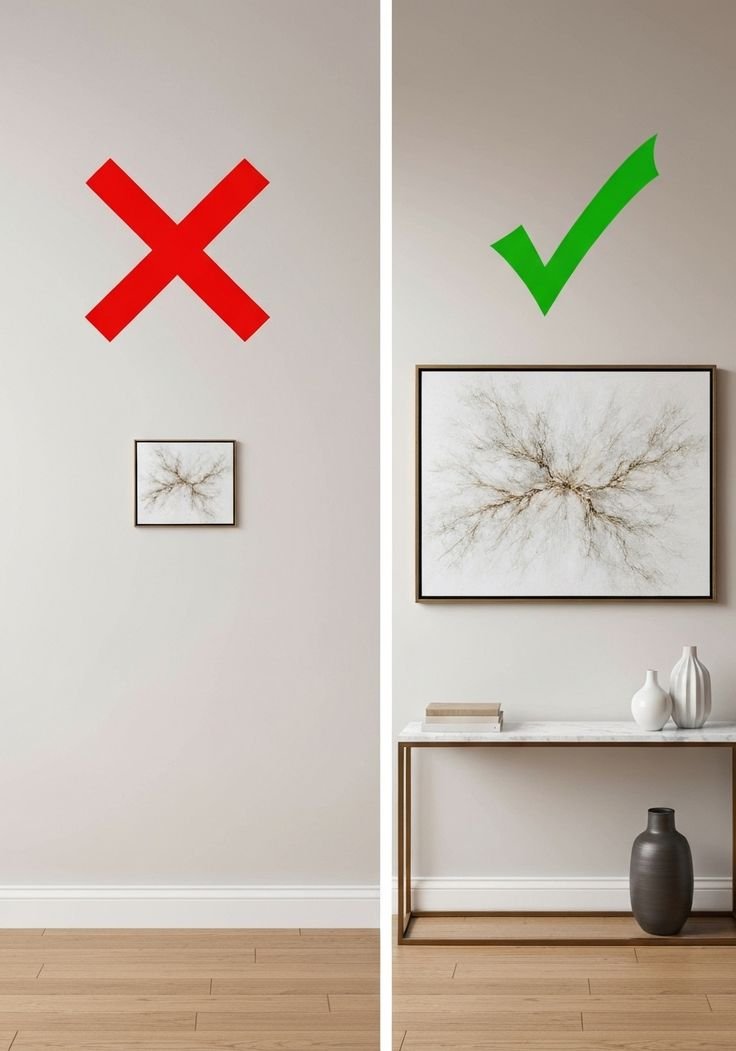
Hanging Artwork Incorrectly
Artwork Placement Mistakes
Artwork that is hung too high or too low disrupts visual balance.
Other common errors include:
- Tiny artwork on large walls
- Random placement
- Poorly coordinated frames
Professional Placement Tips
Artwork should generally be positioned at eye level and proportionate to surrounding furniture.
Large statement pieces often create stronger visual impact than multiple small items.
Ignoring Window Treatments
Bare Windows Look Incomplete
Windows without proper coverings can make rooms appear unfinished.
Likewise, outdated curtains can negatively affect the overall design.
Upgrade Window Decor
Consider:
- Floor-length curtains
- Linen drapes
- Roman shades
- Plantation shutters
Proper window treatments add softness and elegance.
Choosing Trendy Decor Over Timeless Design
The Risk of Short-Lived Trends
Following every design trend can quickly make interiors appear dated.
Examples include:
- Overly themed decor
- Excessive novelty items
- Trend-driven color schemes
Focus on Timeless Foundations
Invest in classic furniture, neutral palettes, and enduring design elements that remain attractive for years.
Poor Paint Color Choices
Color Impacts Perception
Paint colors influence how spacious, bright, and inviting a room feels.
Problematic choices include:
- Extremely dark walls in small rooms
- Overly bright colors
- Clashing color combinations
Select Versatile Colors
Popular options include:
- Soft white
- Warm gray
- Beige
- Greige
- Light taupe
Neutral tones create a more sophisticated environment.
Matching Everything Perfectly
Overmatching Creates a Showroom Effect
Many homeowners purchase complete furniture sets where every piece is identical.
While coordinated design is important, excessive matching often appears uninspired.
Mix Materials and Textures
Combine:
- Wood
- Metal
- Fabric
- Glass
- Natural fibers
Variety creates depth and character.
Ignoring Scale and Proportion
Why Proportion Matters
Successful interiors balance the size of furniture, accessories, artwork, and architectural features.
Common mistakes include:
- Oversized furniture in small rooms
- Tiny decor on large surfaces
- Inconsistent proportions
Create Visual Harmony
Consider the relationship between every design element to achieve balance and cohesion.
Poor Furniture Arrangement
Pushing Everything Against the Walls
A common misconception is that placing furniture against walls makes rooms feel larger.
In reality, it often creates awkward empty spaces.
Design Functional Layouts
Arrange furniture to encourage conversation and improve room flow.
Even moving pieces a few inches away from walls can enhance the overall design.
Neglecting Entryway Decor
First Impressions Matter
The entryway introduces visitors to the home.
A neglected entrance can create a negative impression before guests see the rest of the property.
Simple Upgrades
Enhance entryways with:
- Decorative mirrors
- Console tables
- Stylish lighting
- Fresh greenery
- Organized storage
A welcoming entrance sets the tone for the entire home.
Using Low-Quality Hardware and Fixtures
Small Details Have Big Impact
Outdated or inexpensive-looking hardware can make kitchens, bathrooms, and furniture appear less valuable.
Affordable Improvements
Replace:
- Cabinet handles
- Drawer pulls
- Faucets
- Door hardware
- Light fixtures
Modern finishes instantly elevate a space.
Forgetting About Texture
Flat Interiors Feel Uninteresting
Rooms lacking texture often appear sterile and unfinished.
Add Visual Depth
Incorporate:
- Woven baskets
- Linen fabrics
- Velvet cushions
- Wood accents
- Area rugs
Layered textures create warmth and sophistication.
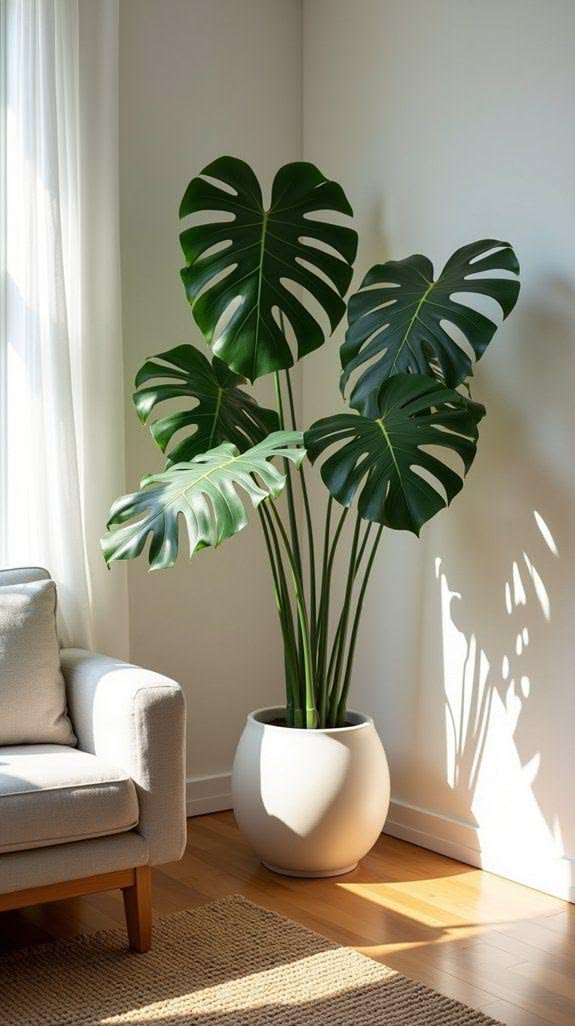
Neglecting Indoor Plants
Spaces Need Life
Rooms without natural elements can feel cold and lifeless.
Decorate with Greenery
Popular options include:
- Snake Plants
- Monstera Deliciosa
- Peace Lilies
- Pothos
- Rubber Plants
Plants introduce color, freshness, and natural beauty.
Leaving Visible Clutter Everywhere
Clutter Reduces Perceived Value
No decorating mistake undermines a home’s appearance faster than clutter.
Visible clutter includes:
- Excess paperwork
- Tangled cables
- Crowded countertops
- Overflowing shelves
Prioritize Organization
Effective storage solutions help maintain a clean and polished environment.
Not Creating a Cohesive Design Style
Too Many Competing Themes
Mixing unrelated design styles can create visual confusion.
Examples include combining:
- Rustic farmhouse decor
- Ultra-modern furniture
- Traditional accessories
Without a clear direction, interiors often feel disjointed.
Develop a Consistent Vision
Choose a primary design style and allow supporting elements to complement it.
Consistency contributes significantly to a high-end appearance.
Final Thoughts
A stylish home is not defined by how much money is spent but by how thoughtfully the space is designed. Common mistakes such as poor lighting, undersized rugs, cluttered surfaces, mismatched furniture, and neglected details can make a house look cheaper than it actually is. By focusing on proper scale, balanced layouts, quality finishes, layered textures, and cohesive design choices, homeowners can create elegant interiors that feel welcoming, sophisticated, and far more expensive than their budget may suggest. Small adjustments often deliver the biggest transformations, proving that great design is truly in the details.