Smart Home Technology for Modern Living
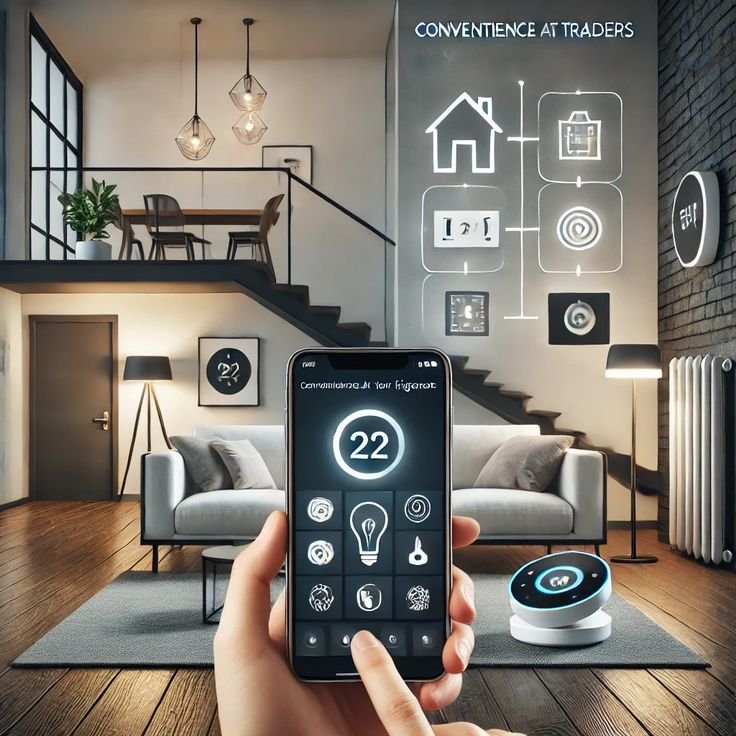
Modern homes are evolving rapidly as technology becomes an essential part of everyday life. Smart home technology has transformed the way people manage security, comfort, energy consumption, entertainment, and household tasks. From voice-controlled assistants and intelligent lighting systems to advanced security cameras and automated appliances, smart homes offer convenience, efficiency, and enhanced control like never before.
As homeowners seek more connected and efficient living environments, smart home technology continues to redefine modern living. Whether building a new home or upgrading an existing property, integrating smart devices can improve daily routines while increasing property value and energy efficiency.
What Is Smart Home Technology?
Smart home technology refers to a network of connected devices that communicate through the internet, allowing homeowners to monitor, control, and automate various household systems remotely.
These systems can be managed through:
- Smartphones
- Tablets
- Voice assistants
- Smart displays
- Computer applications
Smart devices work together to create a seamless living experience that improves convenience, safety, and efficiency.
Benefits of Smart Home Technology
The growing popularity of smart homes is driven by the numerous advantages they offer.
Enhanced Convenience
Automation simplifies daily tasks by allowing homeowners to control devices remotely or schedule operations automatically.
Improved Energy Efficiency
Smart systems optimize energy use, helping reduce utility bills and environmental impact.
Increased Security
Advanced monitoring and security features provide greater protection and peace of mind.
Better Comfort
Customized settings ensure ideal lighting, temperature, and entertainment experiences.
Property Value Enhancement
Modern smart features often increase the appeal and market value of homes.
These benefits make smart home technology an attractive investment for modern homeowners.
Smart Voice Assistants: The Hub of Connected Living
Voice assistants serve as the central control system for many smart homes.
Popular voice assistants include:
- Amazon Alexa
- Google Assistant
- Apple Siri
Voice assistants allow users to:
- Control lights
- Adjust thermostats
- Play music
- Set reminders
- Manage security systems
- Operate smart appliances
Hands-free control enhances convenience throughout the home.
Smart Lighting Systems
Smart lighting has become one of the most popular smart home upgrades.
Features of Smart Lighting
- Remote control via smartphone
- Voice activation
- Brightness adjustment
- Scheduling options
- Energy-saving automation
- Color customization
Homeowners can create personalized lighting scenes for relaxation, productivity, entertainment, or sleep.
Smart lighting also helps reduce electricity consumption by ensuring lights operate only when needed.
Smart Thermostats for Energy Efficiency
Heating and cooling account for a significant portion of household energy consumption.
Smart thermostats provide:
- Automatic temperature adjustments
- Learning capabilities
- Remote control
- Energy usage reports
- Occupancy detection
These systems adapt to household routines and help maintain comfortable indoor temperatures while reducing energy costs.
Advanced Smart Home Security Systems
Security remains one of the primary reasons homeowners adopt smart technology.
Modern smart security solutions include:
Smart Doorbell Cameras
Allow homeowners to see and communicate with visitors remotely.
Wireless Security Cameras
Provide real-time monitoring and recording capabilities.
Smart Door Locks
Enable keyless entry and remote access management.
Motion Sensors
Detect unusual activity and trigger alerts.
Window and Door Sensors
Provide additional protection against unauthorized access.
Smart security systems allow homeowners to monitor their property from virtually anywhere.
Smart Home Surveillance Cameras
Today’s surveillance cameras offer advanced features beyond simple recording.
Key capabilities include:
- High-definition video
- Night vision
- Motion tracking
- Cloud storage
- Mobile alerts
- Two-way communication
These technologies improve home security while providing greater visibility and control.
Smart Appliances for Everyday Convenience
Household appliances are becoming increasingly intelligent.
Popular smart appliances include:
- Refrigerators
- Washing machines
- Dryers
- Dishwashers
- Ovens
- Coffee makers
Benefits include:
- Remote operation
- Maintenance alerts
- Energy monitoring
- Automated scheduling
Smart appliances streamline household management and improve efficiency.
Smart Entertainment Systems
Entertainment technology has become a major component of modern smart homes.
Smart Televisions
Offer internet connectivity, streaming services, and voice control.
Wireless Speaker Systems
Provide synchronized audio throughout multiple rooms.
Smart Streaming Devices
Deliver seamless access to movies, music, and television content.
Home Theater Automation
Integrates lighting, sound, and video systems for immersive experiences.
These features enhance convenience and elevate home entertainment.
Smart Home Automation and Routines
Automation is one of the most powerful aspects of smart home technology.
Examples include:
- Lights turning on at sunset
- Thermostats adjusting automatically
- Doors locking at bedtime
- Security systems activating when leaving home
- Coffee makers starting each morning
Automated routines eliminate repetitive tasks and improve efficiency.
Smart Home Energy Management
Energy efficiency remains a major focus of smart home innovation.
Energy management solutions include:
Smart Plugs
Monitor and control device energy usage.
Smart Power Strips
Reduce standby energy consumption.
Energy Monitoring Systems
Provide detailed insights into electricity usage.
Smart Solar Integration
Optimize renewable energy generation and consumption.
These technologies help homeowners reduce utility expenses while supporting sustainability goals.
Smart Home Technology for Health and Wellness
Connected technology increasingly supports healthier lifestyles.
Examples include:
- Smart air purifiers
- Smart humidifiers
- Water quality monitors
- Sleep tracking systems
- Indoor air quality sensors
These devices help maintain healthier indoor environments while improving comfort and well-being.
Smart Blinds and Window Treatments
Automated window coverings provide both convenience and energy savings.
Benefits include:
- Remote operation
- Voice control
- Scheduled opening and closing
- Improved privacy
- Enhanced energy efficiency
Smart blinds help regulate indoor temperatures while contributing to modern interior design.
Smart Irrigation Systems for Outdoor Spaces
Homeowners can also automate landscape maintenance.
Smart irrigation systems offer:
- Weather-based scheduling
- Water conservation
- Remote management
- Soil moisture monitoring
These systems help maintain healthy gardens while reducing water waste.
The Role of Artificial Intelligence in Smart Homes
Artificial intelligence continues to advance smart home capabilities.
AI-powered systems can:
- Learn homeowner preferences
- Predict usage patterns
- Improve automation accuracy
- Enhance energy efficiency
- Strengthen security responses
As AI technology evolves, smart homes become increasingly responsive and personalized.
Future Trends in Smart Home Technology
The future of smart living is expected to include:
- Greater device interoperability
- Enhanced AI integration
- Improved cybersecurity
- Advanced robotics
- Expanded energy management solutions
- More sustainable home technologies
These innovations will further enhance convenience, efficiency, and comfort for homeowners.
How to Build a Smart Home
Creating a smart home does not require a complete renovation.
A practical approach includes:
- Start with a smart hub or voice assistant.
- Add smart lighting.
- Upgrade to a smart thermostat.
- Install smart security devices.
- Integrate entertainment systems.
- Expand automation gradually.
This phased approach allows homeowners to build a connected ecosystem that meets their needs and budget.
Choosing the Right Smart Home Devices
When selecting smart technology, consider:
- Compatibility
- Ease of use
- Security features
- Reliability
- Energy efficiency
- Long-term support
Choosing devices from reputable manufacturers helps ensure consistent performance and future compatibility.
Final Thoughts on Smart Home Technology for Modern Living
Smart home technology has become a cornerstone of modern living, offering unprecedented convenience, efficiency, security, and comfort. From intelligent lighting and climate control to advanced security systems and automated appliances, connected devices are transforming homes into highly responsive living environments. As technology continues to evolve, smart homes will become even more integrated, sustainable, and personalized.
Investing in smart home technology not only enhances everyday life but also prepares homeowners for the future of connected and intelligent living.