Kitchen Remodeling Cost Guide for Homeowners
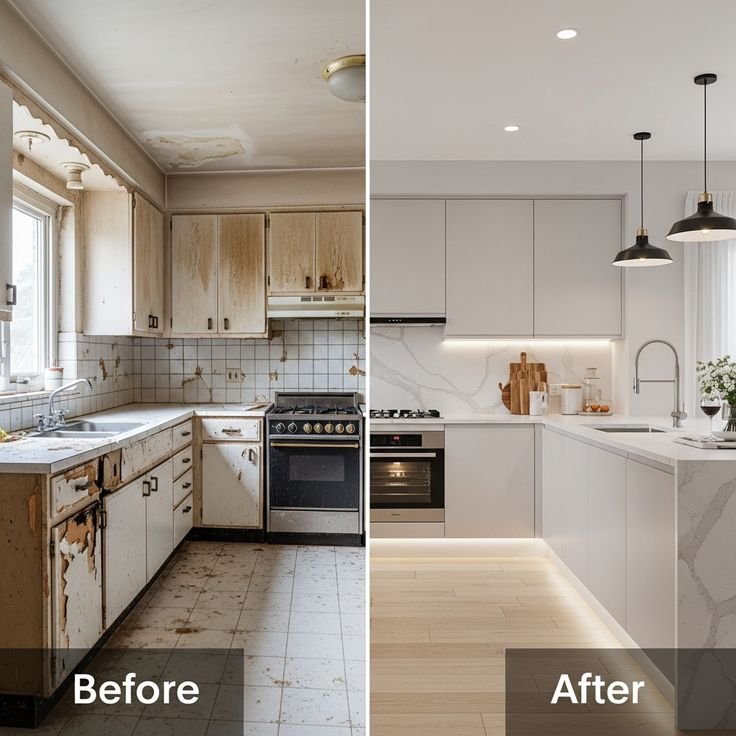
Remodeling a kitchen is one of the most rewarding home improvement projects, but it can also be one of the most expensive. A well-planned kitchen remodel can improve daily comfort, increase storage, modernize your home, and potentially boost resale value. However, costs can vary widely depending on the size of your kitchen, the quality of materials, labor rates, and how much of the layout you want to change.
This kitchen remodeling cost guide will help homeowners understand what to expect, where the money goes, and how to plan a realistic budget.
How Much Does a Kitchen Remodel Cost?
Kitchen remodeling costs can range from a simple cosmetic refresh to a full luxury renovation. According to recent cost data, a minor kitchen remodel can cost around $28,500, while a major upscale remodel can exceed $160,000. Another estimate places the average kitchen remodel around $27,000, with many homeowners spending between $14,600 and $41,600.
In general, homeowners can think of kitchen remodels in three main budget categories:
| Remodel Type | Estimated Cost Range | What It Usually Includes |
| — | —: | — |
| Small or cosmetic update | $10,000–$30,000 | Painting, hardware, lighting, backsplash, minor appliance updates |
| Mid-range remodel | $30,000–$80,000 | New cabinets, countertops, flooring, appliances, sink, fixtures |
| Major or luxury remodel | $80,000–$160,000+ | Custom cabinets, layout changes, premium finishes, high-end appliances |
These numbers are only general estimates. Your final cost depends heavily on your location, contractor pricing, kitchen size, and material choices.
What Affects Kitchen Remodeling Costs?
Several factors can raise or lower the cost of a kitchen remodel. Understanding these cost drivers can help you make smarter decisions before construction begins.
1. Kitchen Size
The larger the kitchen, the more materials and labor you will need. A small galley kitchen may require fewer cabinets, less flooring, and less countertop material. A large open-concept kitchen with an island, pantry, and multiple work zones will naturally cost more.
A bigger kitchen usually means higher costs for:
Cabinets
Countertops
Flooring
Lighting
Electrical work
Painting
Labor hours
2. Cabinetry
Cabinets are often the biggest expense in a kitchen remodel. In many projects, cabinetry can take up 30% to 50% of the total budget.
Your cabinet cost depends on whether you choose:
Stock cabinets
Ready-to-assemble cabinets
Semi-custom cabinets
Fully custom cabinets
Cabinet refacing instead of replacement
If your existing cabinet boxes are in good condition, refacing or repainting them can save thousands of dollars compared with full replacement.
3. Countertops
Countertops can vary greatly in price depending on the material. Laminate is usually one of the most affordable options, while quartz, granite, marble, and other premium surfaces cost more.
Popular countertop options include:
Laminate
Butcher block
Solid surface
Granite
Quartz
Marble
Porcelain slabs
Countertop costs also rise if you have a large island, waterfall edges, custom shapes, or matching slab backsplashes.
4. Appliances
Appliances can be a moderate or major part of your kitchen remodeling budget. Standard appliances are more affordable, while luxury or professional-grade appliances can quickly increase costs.
Common appliance upgrades include:
Refrigerator
Range or cooktop
Oven
Microwave
Dishwasher
Range hood
Wine fridge
Built-in coffee station
If you want to control your budget, choose reliable energy-efficient appliances instead of high-end specialty models.
5. Labor and Installation
Labor can make up a large portion of your kitchen remodel cost. Skilled professionals may include:
General contractor
Cabinet installer
Electrician
Plumber
Flooring installer
Tile installer
Painter
Countertop fabricator
Labor costs are usually higher when the project involves moving plumbing, relocating gas lines, changing electrical wiring, removing walls, or correcting hidden problems.
6. Layout Changes
Keeping your existing kitchen layout is one of the best ways to save money. Moving sinks, dishwashers, ovens, or refrigerators can require plumbing, electrical, flooring, and wall repairs.
For example, moving a sink may require changing drain lines, water lines, cabinets, and flooring. Relocating a gas range may also involve additional utility work. Experts often recommend keeping the same layout when possible to reduce costs.
7. Flooring
Kitchen flooring costs depend on the material, square footage, and installation complexity.
Common kitchen flooring options include:
Vinyl plank
Ceramic tile
Porcelain tile
Hardwood
Engineered wood
Laminate
Natural stone
Vinyl and laminate are often budget-friendly, while hardwood, porcelain, and natural stone usually cost more.
8. Backsplash and Tile Work
A backsplash can be a small detail or a major design feature. Simple subway tile is usually affordable, while handmade tile, stone, or full-height slab backsplashes cost more.
Backsplash pricing depends on:
Tile material
Pattern complexity
Wall size
Labor cost
Grout and finishing details
9. Permits and Inspections
Some kitchen remodels require permits, especially if you are changing plumbing, electrical systems, gas lines, walls, or ventilation. Permit costs vary by location, but skipping required permits can create problems when selling your home later.
10. Material Prices and Availability
Material costs can change based on supply, demand, tariffs, shipping, and product availability. Recent market pressures, including tariffs on some imported cabinetry and wood products, may affect kitchen remodeling prices in 2026.
Because prices can shift, homeowners should get updated quotes before making final decisions.
Sample Kitchen Remodel Budget Breakdown
Here is a common way to divide a kitchen remodeling budget:
| Category | Approximate Share of Budget |
| — | —: |
| Cabinets | 30%–50% |
| Labor | 20%–35% |
| Countertops | 10%–20% |
| Appliances | 10%–20% |
| Flooring | 5%–10% |
| Lighting and electrical | 5%–10% |
| Plumbing and fixtures | 5%–10% |
| Paint, backsplash, hardware, finishing | 5%–10% |
These percentages can change depending on your priorities. For example, if you choose custom cabinets and premium countertops, those categories will take a larger share of your budget.
Minor Kitchen Remodel vs. Major Kitchen Remodel
Minor Kitchen Remodel
A minor remodel focuses on improving appearance and function without completely rebuilding the kitchen.
It may include:
Painting or refacing cabinets
Replacing cabinet hardware
Installing new countertops
Updating lighting
Adding a backsplash
Replacing old appliances
Installing a new sink and faucet
Painting walls
A minor remodel is often better for homeowners who want a fresh look without spending too much.
Major Kitchen Remodel
A major remodel usually involves replacing most or all kitchen elements.
It may include:
New cabinets
New countertops
New flooring
New appliances
Layout changes
Plumbing or electrical updates
New lighting plan
Wall removal
Custom island
Pantry upgrades
Major remodels cost more, but they can completely transform how the kitchen looks and functions.
How to Save Money on a Kitchen Remodel
A kitchen remodel does not have to break your budget. Here are practical ways to reduce costs.
Keep the Same Layout
Avoid moving plumbing, gas lines, and major appliances unless absolutely necessary. Keeping the layout the same can save significantly on labor and construction costs.
Refinish or Reface Cabinets
If your cabinets are structurally sound, consider painting, staining, or refacing them instead of replacing them. New doors, drawer fronts, and hardware can make old cabinets look new.
Choose Stock or Semi-Custom Cabinets
Custom cabinets are beautiful but expensive. Stock or semi-custom cabinets can still look great while keeping costs lower.
Mix High and Low Materials
Spend more on high-impact areas and save on less noticeable details. For example, you might choose a durable quartz countertop but use affordable subway tile for the backsplash.
Avoid Over-Customization
Pull-out organizers, hidden charging drawers, spice racks, appliance garages, and specialty inserts are useful, but they can add up quickly. Choose only the features you will actually use.
Do Some Work Yourself
If you have the skills, you may save money by handling small tasks such as:
Painting
Removing old hardware
Simple demolition
Picking up materials
Installing basic fixtures
Cleaning after construction
However, plumbing, electrical, gas, and structural work should usually be left to licensed professionals.
Get Multiple Quotes
Always compare estimates from several contractors. Make sure each quote includes the same scope of work, materials, timeline, and payment terms.
Set Aside a Contingency Fund
Unexpected issues are common during remodeling. You may discover water damage, outdated wiring, uneven floors, or plumbing problems once demolition begins.
A good rule is to set aside 10% to 20% of your budget for unexpected costs.
Is a Kitchen Remodel Worth It?
A kitchen remodel can be worth it if it improves your home’s function, comfort, and resale appeal. Minor kitchen remodels often provide a strong return on investment because they refresh the space without excessive spending. Larger upscale remodels may add value too, but they typically recover a smaller percentage of their cost at resale.
If you plan to sell soon, focus on broad appeal and avoid overly personal design choices. If you plan to stay for many years, prioritize comfort, storage, workflow, and materials that fit your lifestyle.
Final Thoughts
Kitchen remodeling costs can vary widely, but careful planning makes the process much easier. Start by deciding your goals, setting a realistic budget, and separating must-haves from nice-to-haves. Then get multiple estimates, choose materials wisely, and keep a contingency fund for surprises.
For most homeowners, the smartest approach is to improve what matters most: layout, storage, lighting, durability, and everyday convenience. Whether you choose a simple refresh or a full renovation, a well-planned kitchen remodel can make your home more beautiful, functional, and valuable.