Why Some Homes Always Feel Expensive (Even on a Small Budget)
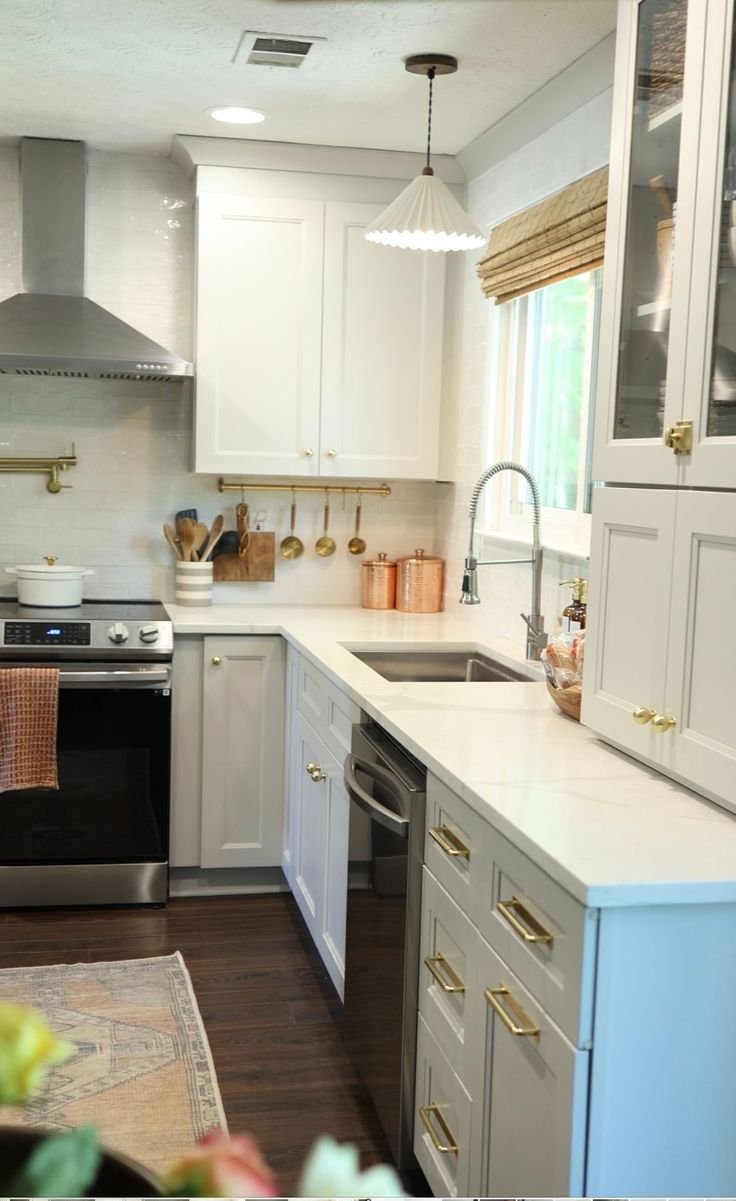
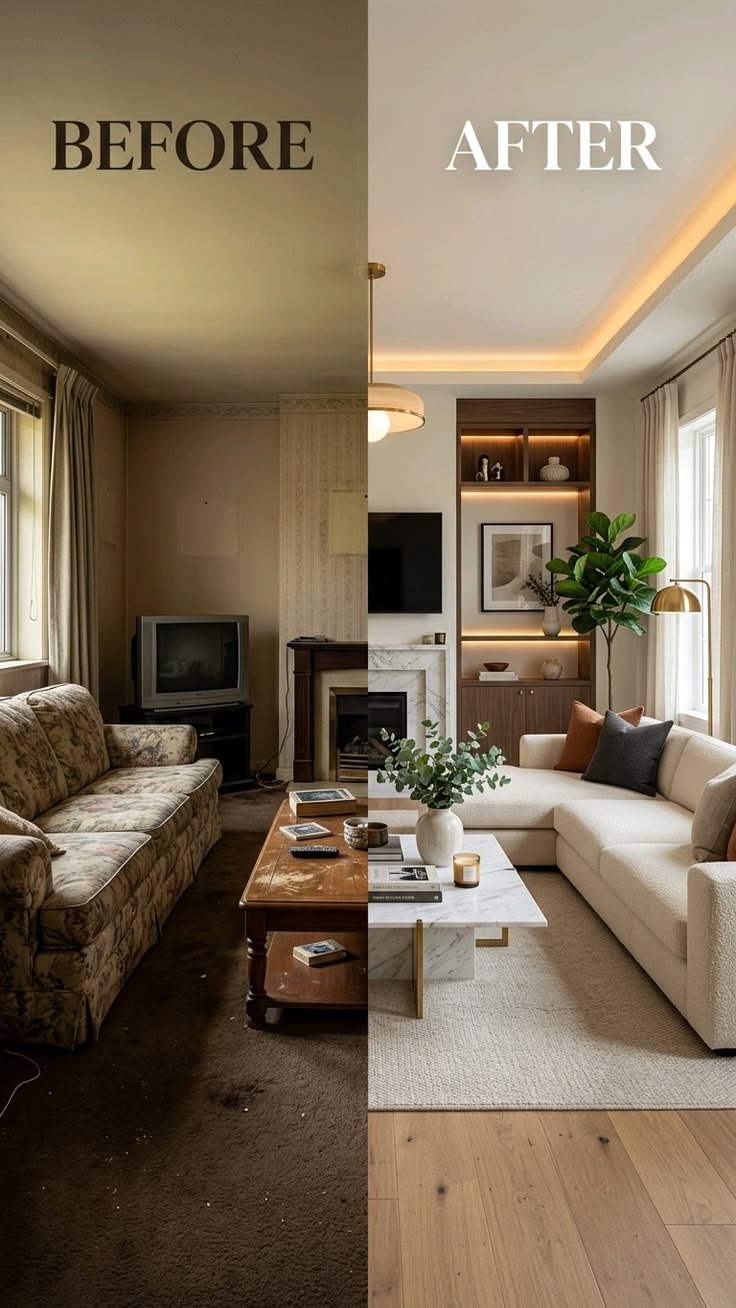
Some homes look and feel “expensive” even when the owners aren’t spending much. The secret usually isn’t luxury furniture—it’s visual decisions that signal intention, calm, and consistency. On the other hand, a home can be full of decent items and still feel “cheap” if it looks cluttered, mismatched, or unfinished.
Here are the key reasons expensive-looking homes feel the way they do—and how you can copy the same effect on a small budget.
1) They reduce visual noise (the biggest difference)
Luxury doesn’t feel busy. Expensive spaces are easy on the eyes.
What makes a home look budget:
Too many small items scattered everywhere
Too many patterns competing (pillows, rugs, curtains, wall art)
Too many colors at once
Budget fix:
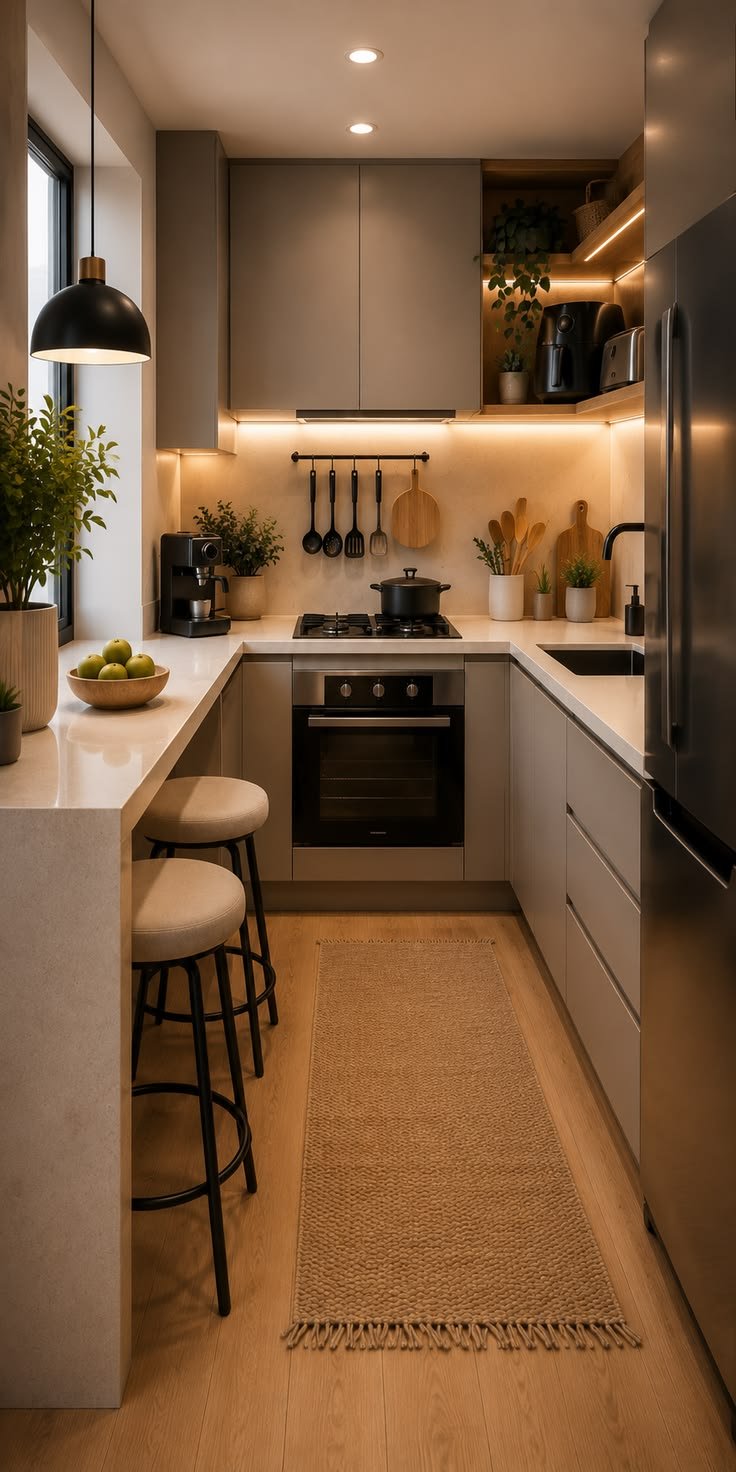
Clear surfaces (especially entry table, kitchen counters, coffee table)
Keep only a few visible objects, and group them intentionally (tray, bowl, basket)
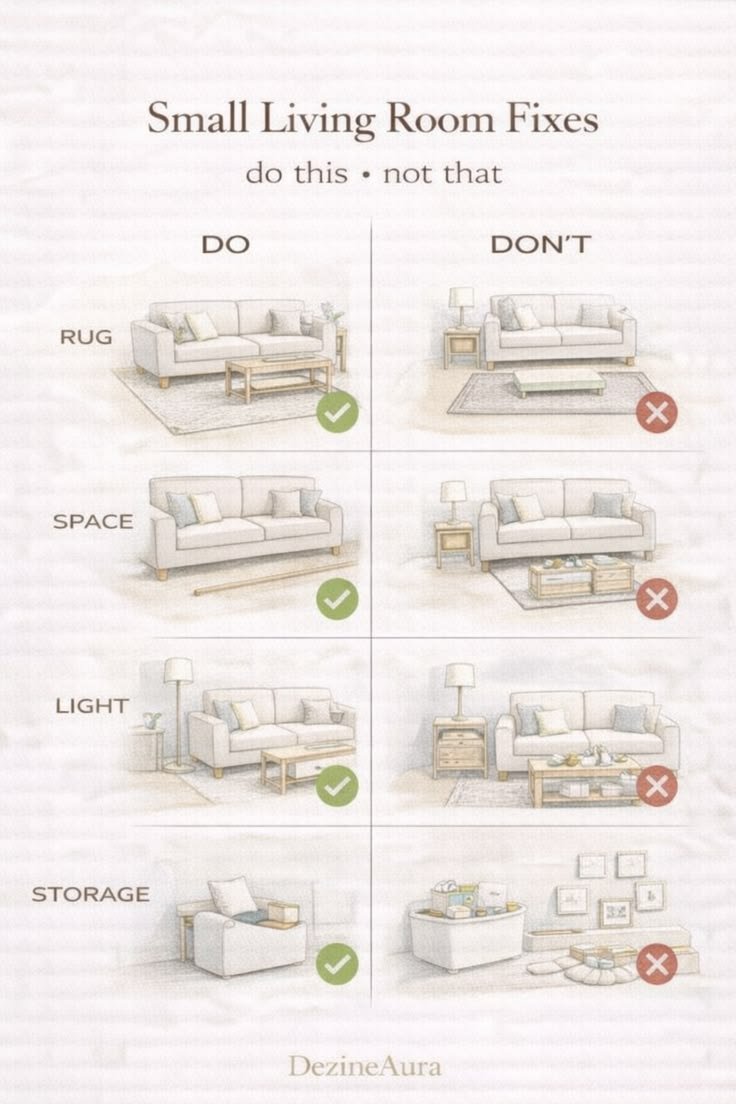
2) They get the scale right (especially rugs)
A rug that’s too small instantly makes a room look cheaper and smaller.
Budget fix:
Choose a bigger, simpler rug over a smaller “fancy” one
At minimum, the front legs of the sofa and chairs should sit on the rug
Bigger rug = bigger-looking room = more expensive feel.
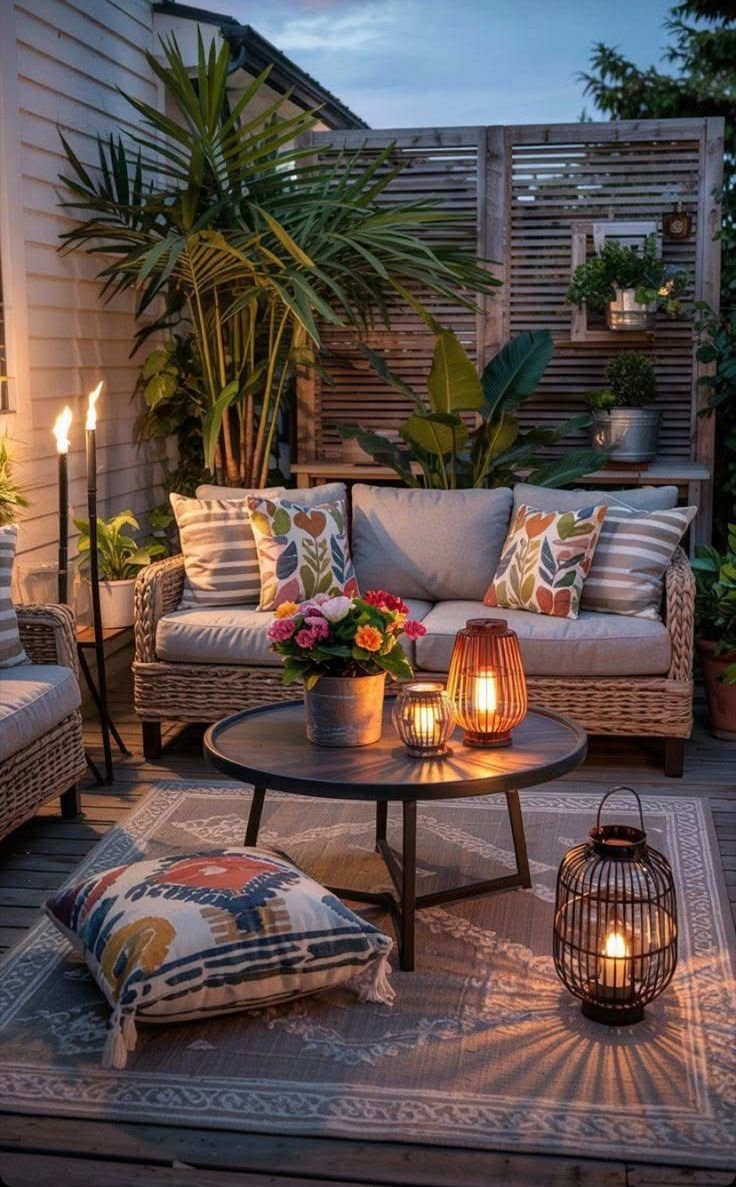
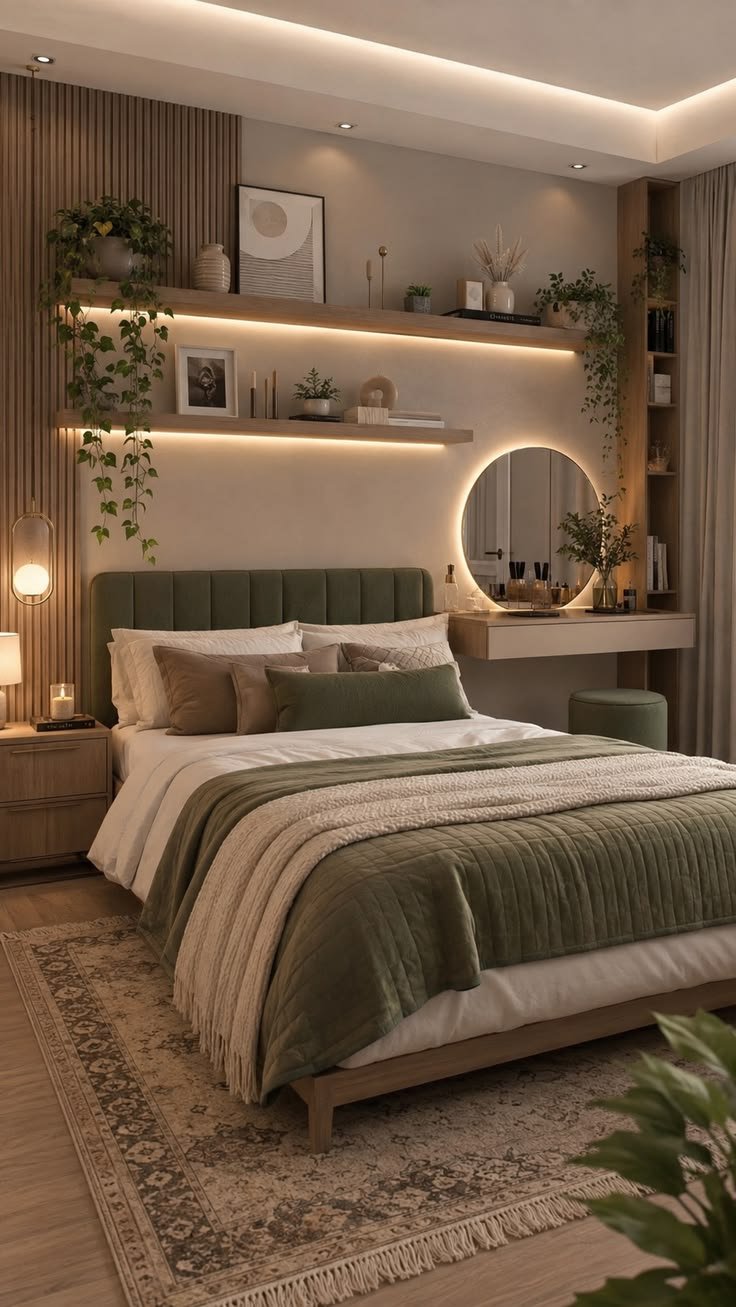
3) They use layered lighting (not one harsh light)
Many homes rely on a single ceiling light. It flattens the room and feels cold.
Expensive homes layer lighting:
Ambient (overall light)
Task (reading/cooking)
Accent (lamps, soft corners)
Budget fix:
Add two warm lamps (one floor lamp + one table lamp)
Use warm bulbs (around 2700K–3000K)
Lighting upgrades often beat furniture upgrades for “luxury feel.”
4) They keep finishes consistent (hardware + metals)
Random mixes of chrome, gold, and black can look accidental.
Budget fix:
Pick one main finish per room (matte black OR brushed nickel OR warm brass)
Replace only the high-visibility items first: cabinet pulls, towel hooks, a mirror frame
Consistency reads as “designed.”
5) They avoid trend overload
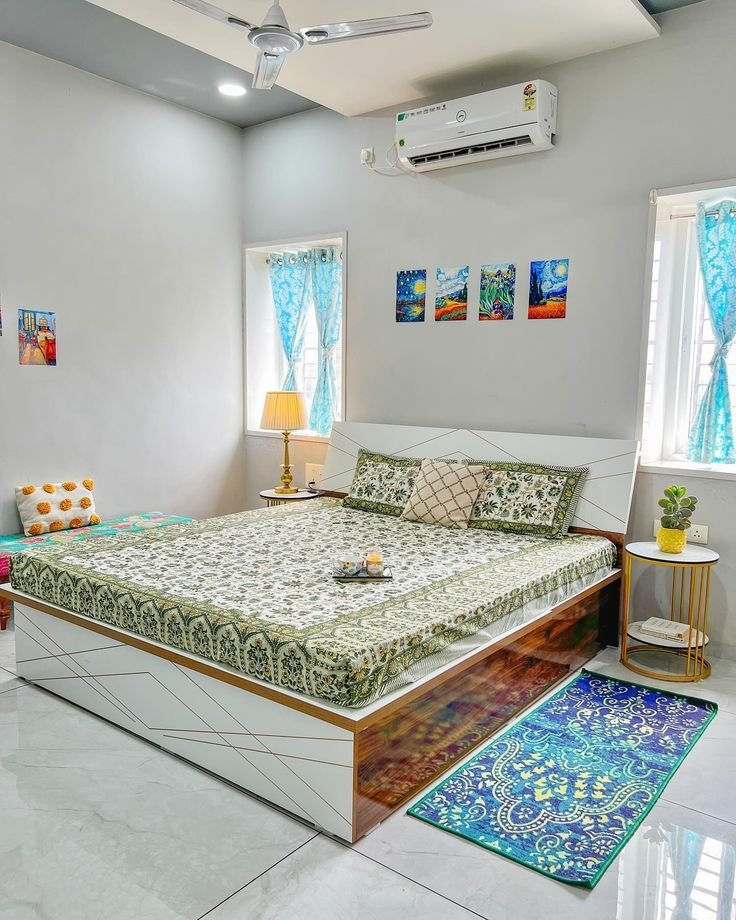
A space feels less expensive when it’s trying to be everything at once (boho + glam + farmhouse + industrial).
Budget fix:
Keep the base neutral and clean
Add personality through 1–2 accent areas (art, cushions, one statement chair)
A clear style direction feels more premium than many mixed trends.
6) They hang curtains correctly (this is underrated)
Short curtains or low curtain rods visually shrink a room.
Budget fix:
Hang rods higher (near the ceiling or 4–6 inches above the window frame)
Curtains should almost touch the floor
Use wider panels for fullness (thin curtains look cheap)
Curtains done right instantly upgrade the whole room.
7) They choose fewer, larger art pieces
Many tiny frames scattered on a wall can feel cluttered.
Budget fix:
Choose one big piece (poster, print, canvas)
Or create a clean grid of same-size frames
Big, simple art looks intentional—and that reads as expensive.
8) They hide clutter with smart storage
Even good furniture looks cheaper if everyday items are always visible.
Budget fix:
Use baskets/boxes inside open shelves
Decant frequently-used items (soap, shampoo, pantry basics) into matching containers
Keep packaging and labels out of sight
A tidy home always looks higher-end.
9) They invest in “boring quality,” not flashy decor
Fake luxury finishes often age badly. Real luxury is subtle.
Best budget upgrades:
Crisp bedding (white/neutral)
Thick towels in one color
A solid doormat
A large mirror (makes spaces brighter and bigger)
These basics quietly elevate everything around them.
10) They finish the details (alignment and symmetry)
Expensive homes feel “complete” because things are placed with intention.
Budget fix:
Center rugs and furniture
Align frames at the same height
Use matching hangers in open closets
Replace one “always visible” mismatched item (trash bin, laundry basket, bath mat)
Small details create a big luxury signal.
The simple formula
Expensive-feeling home = Calm + Scale + Consistency
If you only do three things:
Clear surfaces and hide clutter
Add warm layered lighting
Go bigger (but simpler) on rugs/curtains/art
That’s the fastest path to a home that looks high-end—without spending high-end money